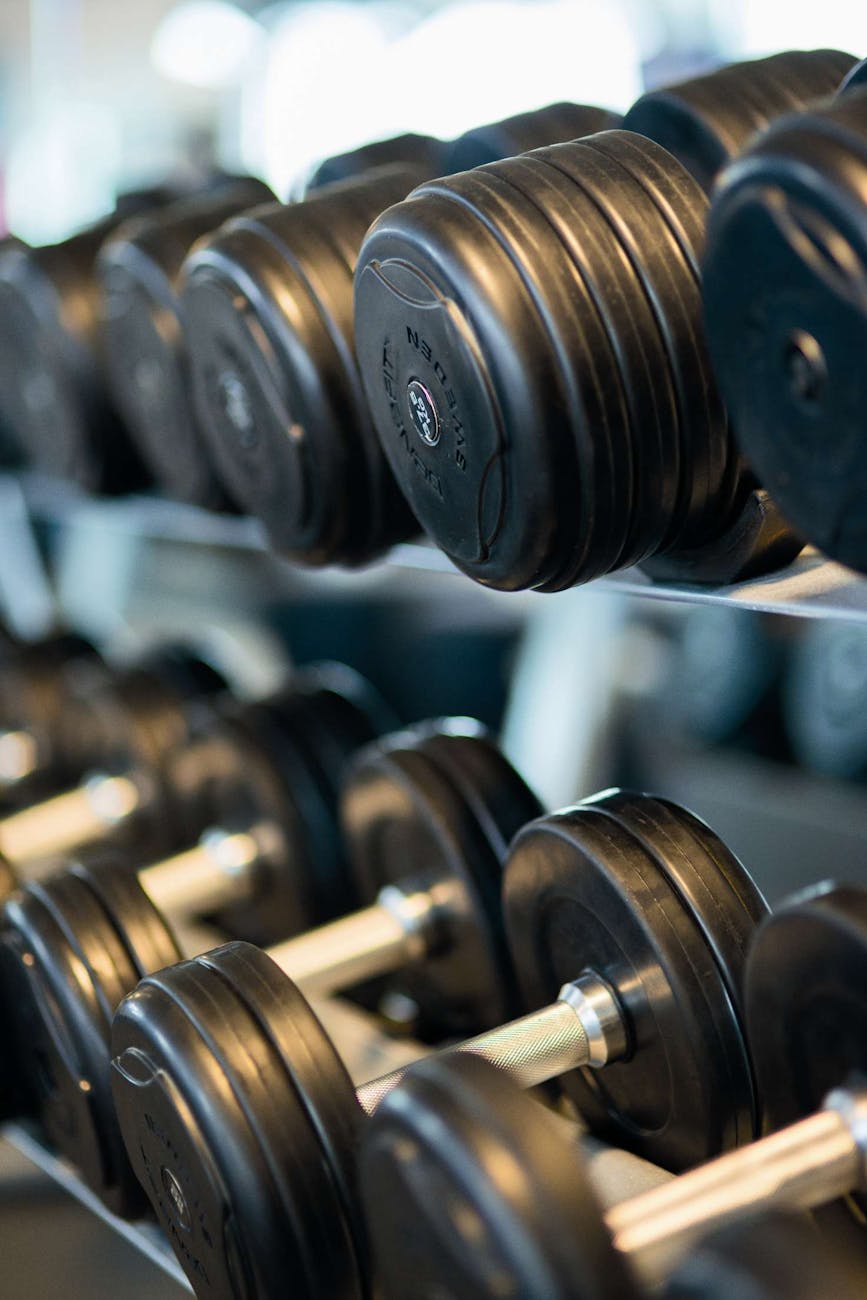
Strength training isn’t just about building muscle—it’s about enhancing your quality of life and maintaining independence as you age. Regardless of your fitness level, incorporating strength training into your routine can have transformative effects on your body and mind. In this post, we’ll explore the benefits of strength training, how it supports longevity, and simple ways to get started.
Why Strength Training Matters for Longevity
As we age, muscle mass naturally decreases, a process known as sarcopenia. This decline can lead to reduced strength, balance issues, and a higher risk of falls and injuries. Strength training helps counteract these effects by:
- Preserving Muscle Mass: Regular resistance exercises slow down or reverse muscle loss, keeping your body strong and functional.
- Improving Bone Density: Weight-bearing activities stimulate bone growth, reducing the risk of osteoporosis and fractures.
- Boosting Metabolism: Building muscle increases your resting metabolic rate, helping you maintain a healthy weight.
- Enhancing Daily Activities: From carrying groceries to climbing stairs, strength training improves your ability to handle everyday tasks with ease.
Physical and Mental Benefits
Strength training isn’t just about the physical—it also has profound mental and emotional benefits:
- Increased Confidence: As your body becomes stronger, you’ll feel more capable and self-assured.
- Improved Mood: Strength training releases endorphins, which reduce stress and promote a sense of well-being.
- Better Sleep: Regular exercise, including resistance training, can improve the quality of your sleep, giving you more energy throughout the day.
Simple Strength Training Exercises
You don’t need fancy equipment or a gym membership to start building strength. Here are some beginner-friendly exercises you can do at home:
- Bodyweight Squats
- Strengthens your legs and core while improving balance.
- How to do it: Stand with feet shoulder-width apart. Lower your body as if sitting in a chair, then return to standing.
- Wall Push-Ups
- A great alternative to traditional push-ups, perfect for beginners.
- How to do it: Stand an arm’s length away from a wall. Place your palms on the wall and bend your elbows to bring your chest closer to the wall, then push back to the starting position.
- Seated Leg Extensions
- Builds strength in the legs and improves knee stability.
- How to do it: Sit on a chair and extend one leg straight out, hold for a second, and then lower it. Repeat with the other leg.
- Bicep Curls with Household Items
- Strengthens your arms and improves grip strength.
- How to do it: Use water bottles or canned goods as weights. Slowly curl them up toward your shoulders and lower them back down.
How to Get Started
- Start Small: Aim for two sessions per week, focusing on 6-8 exercises with 8-12 repetitions each.
- Focus on Form: Proper form is key to preventing injury. Move slowly and controlled, and don’t rush through exercises.
- Increase Gradually: As you get stronger, add more repetitions, sets, or resistance to your routine.
- Incorporate Rest: Give your muscles time to recover by alternating strength days with rest or light activity days.
Success Story: Empowered Through Strength
Meet Sarah, a 64-year-old grandmother who started strength training to improve her balance and mobility. After just a few months of consistent effort, Sarah noticed she could move more confidently, lift heavier objects, and even keep up with her energetic grandchildren. Strength training gave her a renewed sense of freedom and vitality.
Embrace Your Strength
Strength training isn’t about lifting heavy weights—it’s about lifting yourself to a healthier, more vibrant future. Whether you’re starting with bodyweight exercises or using small weights, every effort contributes to a stronger, more resilient you.
So grab a chair, a pair of water bottles, or just your own body weight, and take the first step toward building strength for life. You’re stronger than you think!
 Healthyxpectations
Leave a comment