
As we age, our nutritional needs shift—and sometimes our usual meals don’t provide everything our bodies require. While a healthy diet for senior citizens should always be the foundation, supplements can help fill important gaps when food alone isn’t enough.
This guidance is based on research from trusted organizations, including the National Institute on Aging and UnitedHealthcare.
Start with Food First
Before turning to supplements, focus on nutrient dense foods for elderly adults such as leafy greens, berries, whole grains, nuts, lean proteins, and legumes. These foods support energy, immunity, muscle strength, and brain health.
Even with a healthy eating for senior citizens approach, nutrient absorption can decline with age—making targeted supplementation helpful for some individuals.
Supplements That Are Worth Taking
According to the National Institute on Aging, certain nutrients are more difficult to obtain or absorb as we grow older.
Learn more from the National Institute on Aging.
Vitamin D
Supports bone health, immune function, and mood. Many adults over 60 are deficient due to reduced sun exposure.
Calcium
Essential for maintaining bone strength. Food sources are preferred, but supplementation may be needed if intake is low.
Vitamin B12
Absorption decreases with age and is important for nerve health, memory, and energy levels.
Omega-3 Fatty Acids
Supports heart, brain, and joint health. Especially helpful for adults who don’t eat fish regularly. UnitedHealthcare highlights Omega-3s as a key supplement for older adults. Read more about it here.
Protein Supplements After 60
Muscle loss accelerates with age. If daily intake is low, protein supplements after 60—such as whey, plant-based blends, or collagen—can help maintain strength and mobility.
Supplements That May Not Be Worth Taking
Mega-dose Antioxidants
Large doses of vitamins A, C, or E have not shown clear benefits and may pose risks.
“Brain-Boosting” Proprietary Blends
Many lack strong scientific evidence. A balanced diet and Omega-3s are more reliable.
Expensive Herbal Combinations
Often poorly regulated and may interact with medications. Always consult your healthcare provider first.
How to Choose High-Quality Supplements
Look for:
- USP, NSF, or ConsumerLab certification
- Simple ingredient lists
- Safe, evidence-based dosages
Avoid supplements that promise miracles, cures, or overnight results.
For more additional safety guidance from the NIA, click here.
When Supplements Help—and When They Don’t
Supplements should support—not replace—a lifestyle built on real food, movement, hydration, and quality sleep. Combined with a healthy diet for senior citizens, they can be a useful tool for aging well.
If you’re unsure which nutrients you may need, a simple blood test can help guide your decisions.
Want Practical, Senior-Friendly Fitness Guidance?
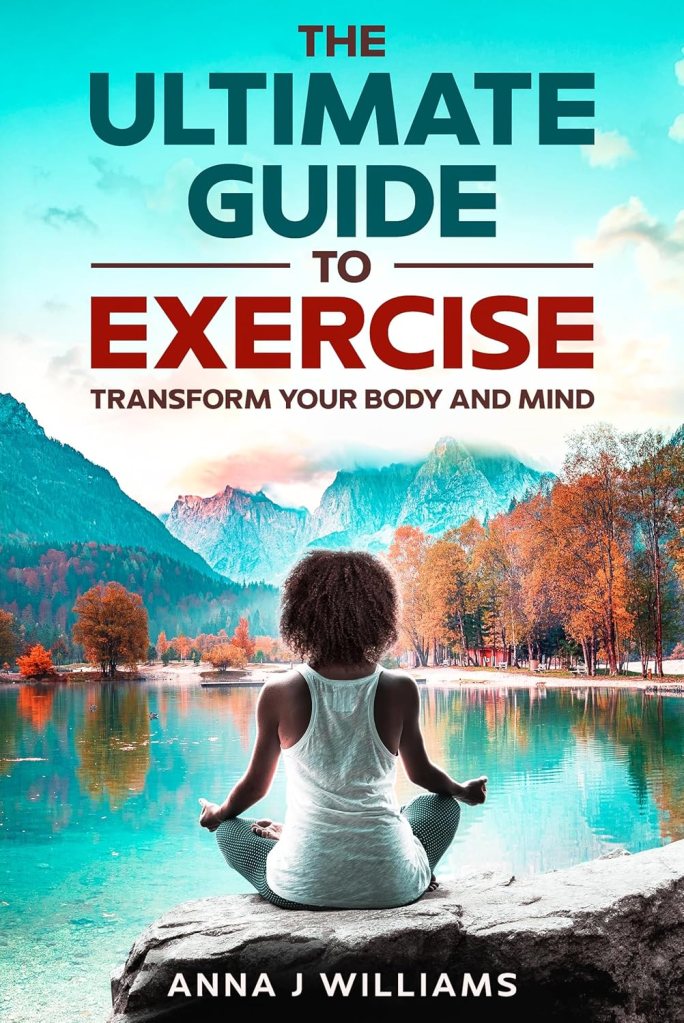
If you’re looking for simple, safe, and effective ways to stay strong, active, and independent after 60, my books are designed with you in mind.

This article is for educational purposes only and is not intended to replace medical advice. Always consult your healthcare provider before starting any new supplement.
 Healthyxpectations
Leave a comment